Bei der Konstruktion von Absperrklappen gibt es mehrere entscheidende Faktoren, die ihre Eignung für bestimmte Anwendungen bestimmen.

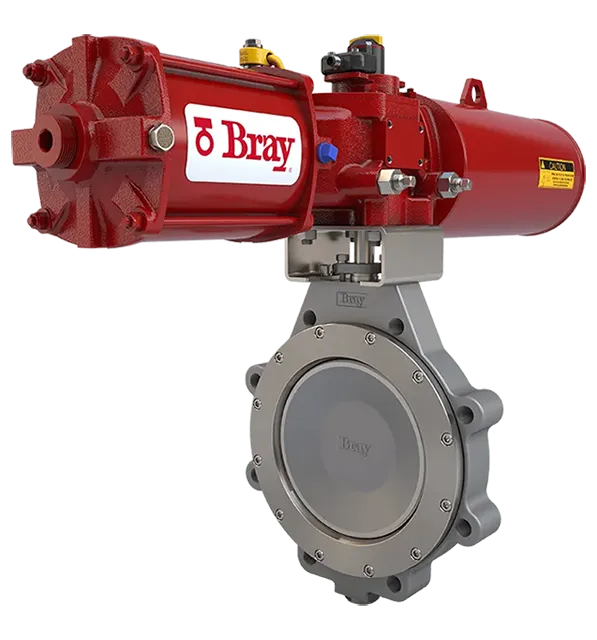
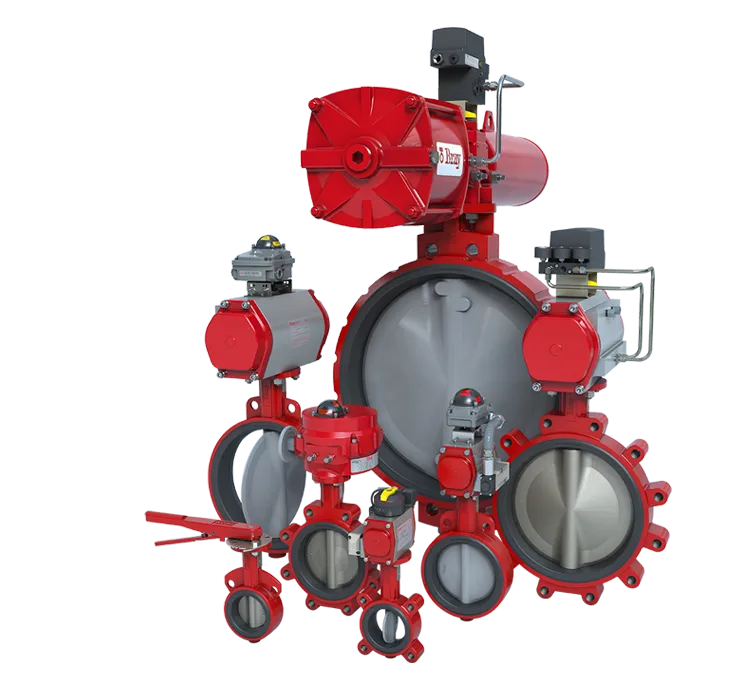
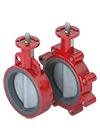

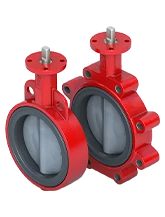
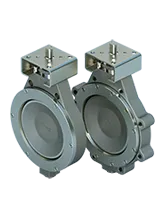
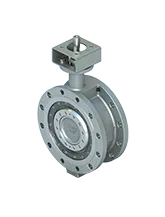
Bei der Konstruktion von Absperrklappen gibt es mehrere entscheidende Faktoren, die ihre Eignung für bestimmte Anwendungen bestimmen.
Die Exzentrizitäten beschreiben, wie Welle und Klappenscheibe relativ zum Ventilsitz und zur Mittellinie des Gehäuses positioniert sind. Die Anzahl der Exzentrizitäten wirkt sich unmittelbar auf die Dichtungsleistung, das Drehmoment, den Verschleiß und die Betriebsbedingungen aus.
Konzentrische Absperrklappen (ohne Exzentrizität)
✅ Einfachste und am weitesten verbreitete Bauart
Dichtungsprinzip
Schlüsselmerkmale
Typische Anwendungen
Warum sich Kunden dafür entscheiden
Doppelexzentrische Hochleistungs-Absperrklappen
✅ Mehr Leistung und höhere Lebensdauer
Konstruktionsbeschreibung
Dichtungsprinzip
Schlüsselmerkmale
Typische Anwendungen
Warum sich Kunden dafür entscheiden
Dreifach-exzentrische Absperrklappen
✅ Fortschrittlichste Bauweise für Absperrklappen
Konstruktionsbeschreibung
Dichtungsprinzip
Schlüsselmerkmale
Typische Anwendungen
Warum sich Kunden dafür entscheiden
Weichdichtende Absperrklappen
✅ Am gängigsten und kostengünstigsten
Sitzwerkstoffe
Dichtungseigenschaften
Einschränkungen
Typische Anwendungen
Mit Polymersitz (PTFE/TFM/kunststoffausgekleidet)
✅ Schwerpunkt auf Chemikalienbeständigkeit
Sitz- und Auskleidungsmaterialien
Dichtungseigenschaften
Einschränkungen
Typische Anwendungen
Absperrklappen mit Metallsitz
✅ Kritische Anwendungen und hohe Temperaturen
Sitzwerkstoffe
Dichtungseigenschaften
Einschränkungen
Typische Anwendungen
| Funktion | Konzentrisch | Doppelexzentrisch | Dreifach-exzentrisch |
|---|---|---|---|
| Exzentrizitäten der Welle | 0 | 2 | 3 |
| Dichtungsart | Positionsabhängig dichtend | Positionsabhängig dichtend mit reduzierter Interferenz | Drehmomentdichtend |
| Sitzoptionen | Weichdichtend | Weichdichtend/metalldichtend | Metall |
| Sitzverschleiß | Höher | Mäßig | Minimal |
| Temperaturbeständigkeit | Niedrig | Mittelhoch | Sehr hoch |
| Typische Leckage | Blasenfrei dichtend | Blasenfrei dichtend | Blasenfrei dichtend (Metall) |
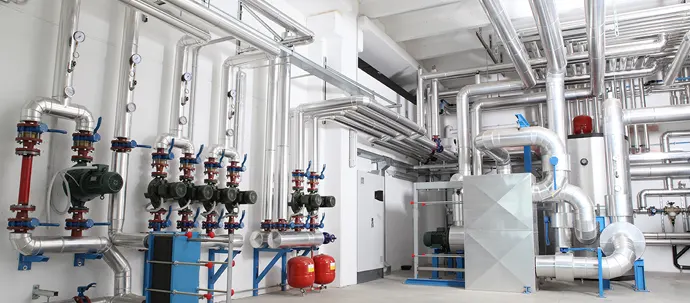
Bei typischen Niederdruckanwendungen (bis zu 250 PSI) kommt es bei vielen Absperrklappen zu einem Eindringen des Leitungsmediums, wodurch der Armaturenkörper oder die Welle korrodieren kann. Darüber hinaus führt der ständige Kontakt zwischen Scheibe und Sitz während des gesamten 90-Grad-Zyklus häufig zu übermäßiger Reibung, wodurch der weiche Elastomer-Sitz vorzeitig verschleißt.
Die Bray-Serie 30 (Zwischenflansch) und die Serie 31 (Anflansch) beheben diese Schwachstellen durch eine hochfeste, einteilige Konstruktion mit durchgehender Welle und einen einzigartigen „Nut-und-Feder“-Sitz. Diese Konstruktion erzeugt eine primäre und sekundäre Dichtung, die den Armaturenkörper und die Welle vollständig vom Leitungsmedium isoliert. Durch die beidseitige blasendichte Absperrung und eine breite Palette an medienverträglichen Elastomeren gewährleistet die Serie 30/31 absolute Dichtheit nach außen sowie deutlich reduzierte Wartungskosten in kommunalen Wasser-, Abwasser- und HLK-Anlagen.
Industrieprozesse in Chemie- und Kraftwerken werden häufig bei ANSI-Klasse 600 (1.440 PSI) betrieben. Bei diesen Drücken führt das kontinuierliche Anreiben des Sitzes in Standardarmaturen zu einer schnellen Dichtungsdegradation sowie zu unzulässig hohem Betätigungsmoment, wodurch häufige und kostenintensive Wartungsintervalle erforderlich werden.
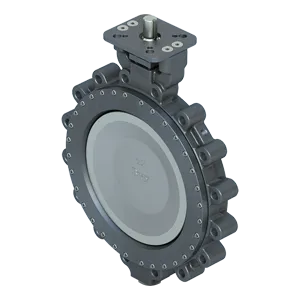
Die Bray McCannalok Hochleistungs-Absperrklappe bewältigt den Verschleiß unter hohem Druck dank ihrer patentierten Konstruktion mit doppelexzentrischer (doppelt versetzter) Welle und Scheibe. Durch die Exzentrizität der Welle erzeugt die McCannalok einen „Nocken“-Effekt, der die Scheibe unmittelbar beim Öffnen vom Sitz abhebt. Dadurch wird der Kontakt auf die letzten Schließgrade beschränkt, was das Drehmoment drastisch reduziert und die Standzeit des Sitzes über 100.000 Zyklen hinaus verlängert. Mit ihrer druckunterstützten beidseitigen Dichtung setzt die McCannalok den Branchenmaßstab für zuverlässige Hochzyklusleistung in Dampf- und korrosiven Chemikalienanwendungen.
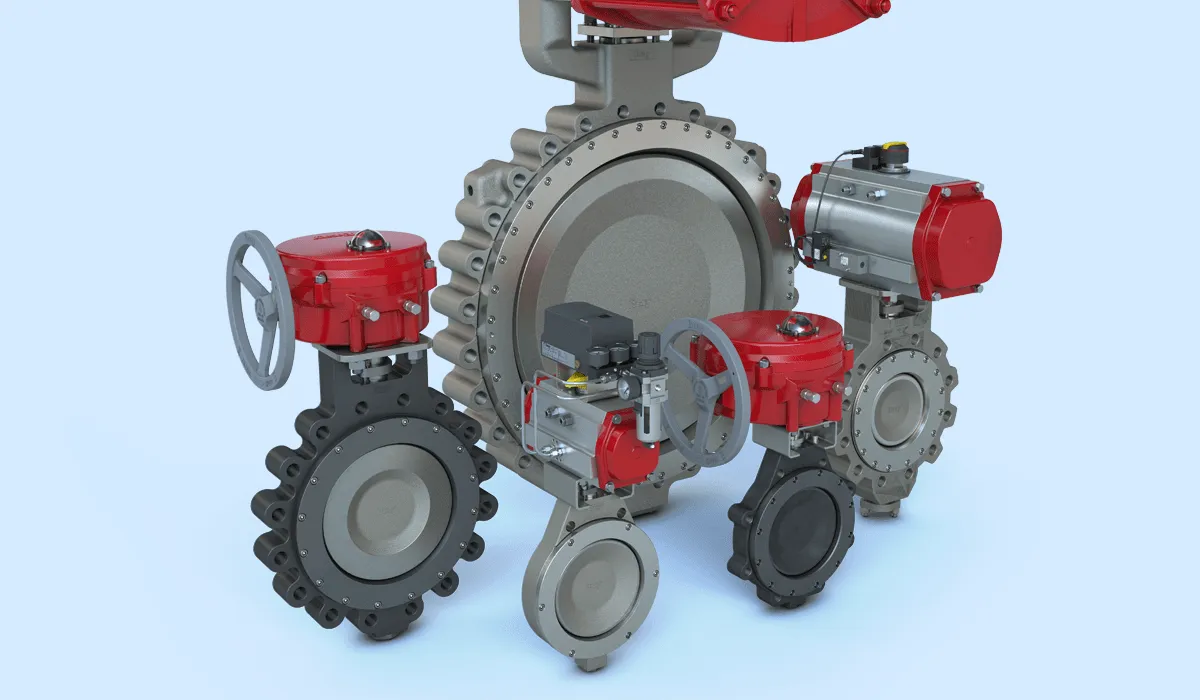
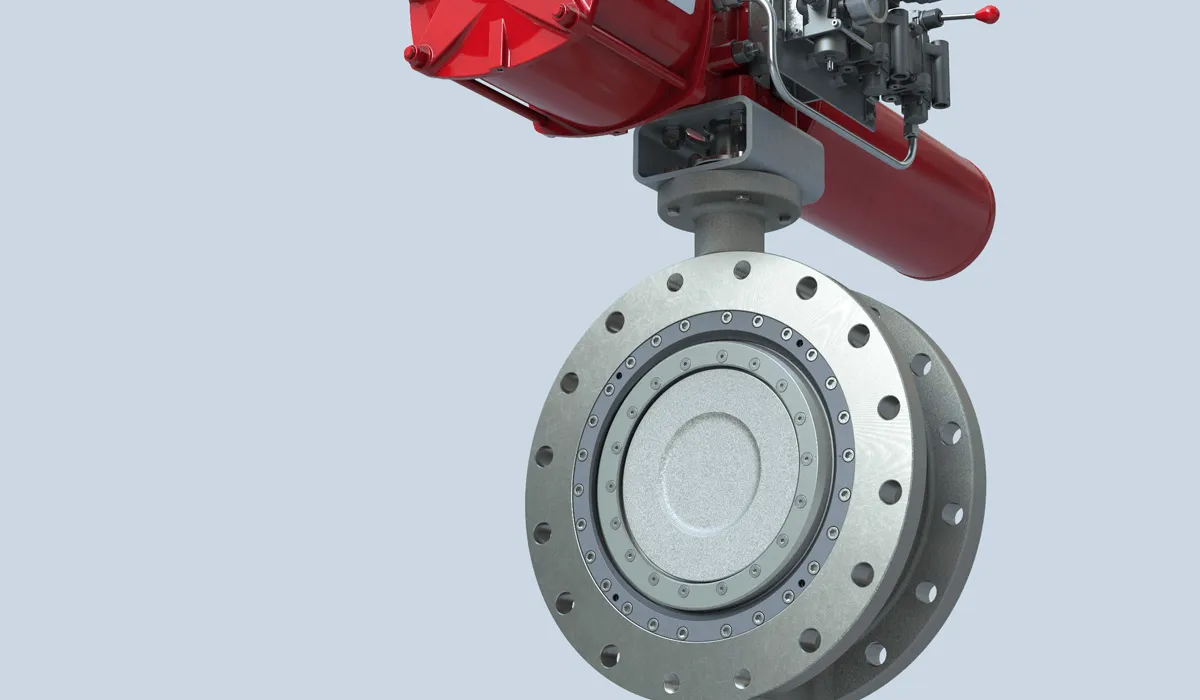
Missionkritische Systeme – wie Offshore-Ölplattformen und petrochemische Raffinerien – sind Temperaturen von -320 °F bis 1.500 °F ausgesetzt. Unter diesen extremen Bedingungen können herkömmliche „positionsabhängige“ Dichtungen schmelzen, sich verformen oder vollständig versagen, was zu katastrophalen System-Blowouts und erheblichen Sicherheitsrisiken führen kann.
Für Umgebungen, in denen ein Ausfall ausgeschlossen sein muss, bietet die Bray dreifach-exzentrische Tri Lok-Armatur ein reibungsfreies metallisch dichtendes System. Durch die fortschrittliche konische Ellipsengeometrie kann der Dichtungsring den Sitz ohne Interferenz bis zum exakten Schließmoment kontaktieren. Im Gegensatz zu Standardarmaturen ist die Tri Lok „drehmomentdichtend“ und nutzt mechanische Kraft, um absolute Dichtheit zu gewährleisten. Die Tri Lok wurde für kritische Absperraufgaben entwickelt und verfügt über eine Vielverzahnung zwischen Scheibe und Welle, die von thermischer Ausdehnung unberührt bleibt und beidseitige Sicherheit selbst unter härtesten Einsatzbedingungen in den anspruchsvollsten Raffinerie- und Tieftemperaturanwendungen gewährleistet.
Die Auswahl der richtigen Sitzmischung ist ein unverzichtbarer Schritt. Eine falsche Auswahl an dieser Stelle führt zu vorzeitiger Schwellung, chemischem Abbau oder vollständigem Armaturenausfall.
EPDM: Hohe Beständigkeit gegenüber polaren Medien wie Wasser, Dampf, Bleichmittel und alkalischen Lösungen. Allerdings ist EPDM gegenüber Kohlenwasserstoffen völlig unbeständig und versagt bei Verwendung mit mineralölbasierten Ölen.
BUNA-N (Nitril): Ein hervorragendes Allzweck-Elastomer, das gegenüber Flüssigkeiten auf Mineralölbasis, Ölen, Kraftstoffen und Fetten äußerst widerstandsfähig ist. Es ist äußerst anfällig gegenüber extremer Hitze und weist eine geringe Ozonbeständigkeit auf.
PTFE (Teflon): Bekannt für außergewöhnliche, nahezu universelle chemische Beständigkeit und geringe Reibungseigenschaften und daher ideal für korrosive chemische Prozesse und hygienische Anwendungen.
Eine doppelexzentrische Armatur nutzt ein Wellendesign mit zwei Exzentern, das eine Nockenbewegung erzeugt und die Sitzreibung reduziert; die Abdichtung erfolgt jedoch weiterhin durch positionsabhängigen Anpressdruck. Eine dreifach-exzentrische Armatur verfügt über eine geneigte konische Sitzgeometrie, die Reibung vollständig eliminiert und eine drehmomentdichtende metallische Dichtung erzeugt, die extremen Temperaturen (bis zu 1.500 °F) und Drücken standhält.
Weichdichtende Absperrklappen sind die wirtschaftlichste und optimale Lösung für Niederdruckanwendungen (unter 250 PSI) bei Umgebungstemperatur mit sauberen, nicht aggressiven Medien. Zu den gängigen Anwendungsfällen zählen die kommunale Wasserversorgung, industrielle Standard-Versorgungsanlagen sowie HLK-Systeme.
EPDM ist zwar außerordentlich beständig gegen Hitze, Wasser, Säuren und polare Verbindungen, weist jedoch keine chemische Verträglichkeit mit Kohlenwasserstoffen auf. Wird ein EPDM-Sitz mit Ölen auf Mineralölbasis, Diesel oder Lösungsmitteln in Berührung gebracht, führt dies zu einer raschen Zersetzung und zum Versagen des Werkstoffs. BUNA-N (Nitril) ist der richtige Sitzwerkstoff für Anwendungen mit Mineralölprodukten.
Absperrklappen eignen sich hervorragend als Absperr- oder grundlegende Regelvorrichtung für die Bereiche Wasser- und Abwasserwirtschaft, Klimatechnik, chemische Verfahrenstechnik, Öl- und Gasindustrie, Energiewirtschaft, Bergbau, Rechenzentren und die Halbleiterindustrie, um nur einige zu nennen.
Ja, die meisten Absperrklappen sind bidirektional ausgelegt. Bei einigen Ausführungen kann es eine bevorzugte Durchflussrichtung geben, doch im Allgemeinen können sie den Durchfluss aus beiden Richtungen absperren.
Im Allgemeinen sollte die Armatur zu Absperrzwecken dem Durchmesser der Rohrleitung entsprechen, in die sie eingebaut wird; dieser wird häufig in Zoll, Millimetern, NPS (Nominal Pipe Size) und DN (Nennweite) angegeben. Bei der Auswahl eines Produkts sollten Sie dessen Kv-Wert berücksichtigen, um sicherzustellen, dass ein ausreichender Durchfluss durch die Rohrleitung gewährleistet ist und der Prozessdurchfluss nicht beeinträchtigt wird. Verwenden Sie für die Dimensionierung einer Regelarmatur eine Dimensionierungssoftware, um sicherzustellen, dass das Produkt den für Ihre Anwendungsanforderungen optimalen Bereich abdeckt.
Die Regelarmaturenpakete von Bray werden individuell auf Ihre Prozessbedingungen zugeschnitten, um Sicherheit, Zuverlässigkeit und Leistung für Hersteller zu gewährleisten, die sich immer höheren Produktivitätsanforderungen stellen müssen. Jedes Regelarmaturpaket wird vor der Auslieferung vollständig evaluiert und gemäß IEC 60534-2-1 für Dimensionierung, IEC 60534-8-3 und IEC 60534-8-4 für Geräuschberechnungen getestet, damit die Installation, die Inbetriebnahme und der Betrieb einfach und problemlos verläuft. Wir bei Bray sind stolz darauf, Qualitätsprodukte für all Ihre Branchenanforderungen zu produzieren. Unser Antrieb und unser Engagement für Kundenzufriedenheit haben Bray International zu einem der innovativsten Armaturenhersteller der Welt gemacht.
Erfahren Sie mehr darüber, wie die Lösungen von Bray Ihr Unternehmen unterstützen können
Entdecken Sie Brays virtuelle Zuckerrübenfabrik und erkunden Sie innovative Lösungen für eine effiziente Zuckerverarbeitung.
Erleben Sie Brays Zuckerrübeninnovationen
Von Kühltürmen bis hin zu Wärmetauschern in Gestellen – Armaturen von Bray bieten Präzision und Zuverlässigkeit in jeder Anwendung.
Mehr entdecken
Bray bietet automatisierte Armaturen für die Gebäudetechnik in Krankenhäusern, Büros, Schulen, Flughäfen, Rechenzentren und vielen weiteren Einrichtungen an. Perfekt für die Absperrung von Kühlern/Boilern, Luftbehandlungsanlagen und Anwendungen für die LEED-Zertifizierung.
Entdecken Sie unsere Lösungen für die Gebäudetechnik
Erkunden Sie unsere virtuelle Zuckerrohrfabrik, um mehr über Brays innovative Lösungen für die Zuckerverarbeitung zu erfahren.
Entdecken Sie Brays Zuckerrohr-Lösungen



Kontaktieren Sie Ihren lokalen Vertriebsexperten