Os projetos de válvula borboleta têm diversos fatores importantes que determinam sua compatibilidade para aplicações.

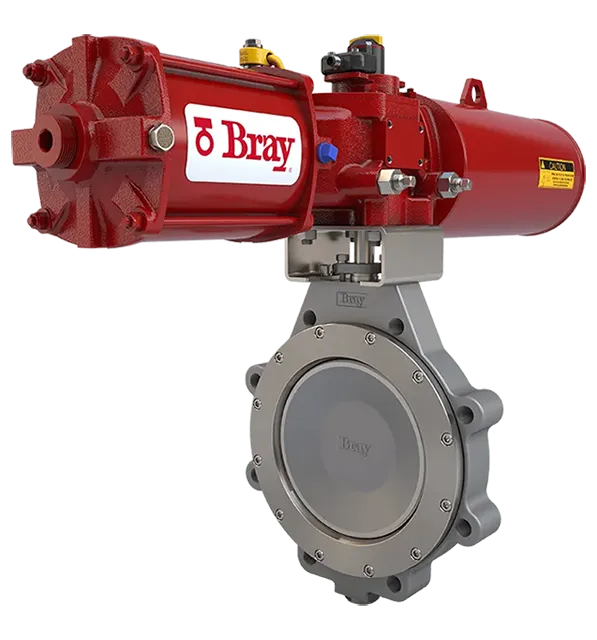
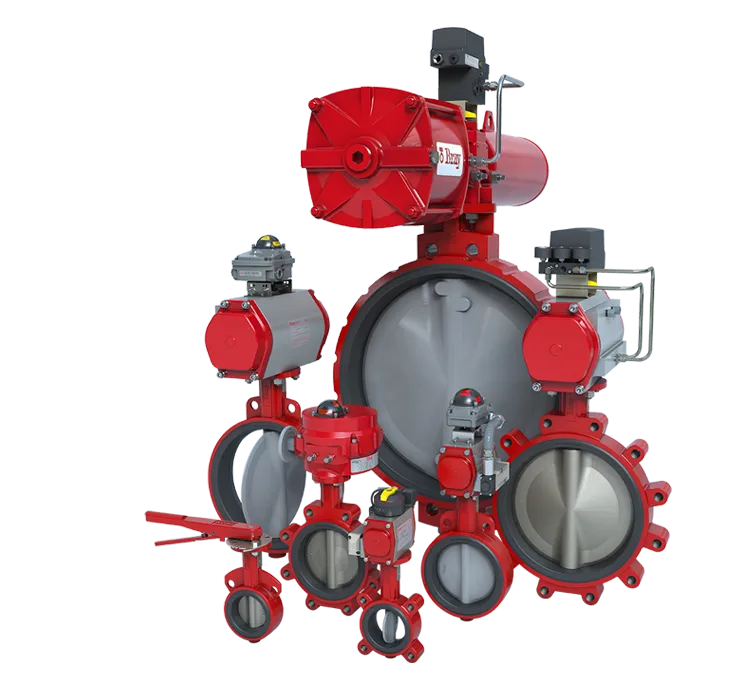
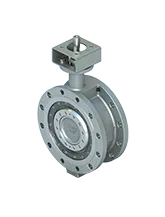
Os projetos de válvula borboleta têm diversos fatores importantes que determinam sua compatibilidade para aplicações.
A excentricidade descreve como o eixo e o disco estão posicionados em relação à sede da válvula e a linha central do corpo. O número de excentricidades afeta diretamente o desempenho da sede, torque, desgaste e condições de serviço.
Válvulas borboleta concêntricas (sem excentricidade)
✅ O projeto mais básico e amplamente usado
Princípio de vedação
Principais características
Aplicações comuns
Por que os clientes as escolhem
Válvulas borboleta biexcêntricas (alto desempenho)
✅ Um salto em desempenho e durabilidade
Descrição do projeto
Princípio de vedação
Principais características
Aplicações comuns
Por que os clientes as escolhem
Válvulas borboleta triexcêntricas
✅ As normas de construção mais avançadas para válvulas borboleta
Descrição do projeto
Princípio de vedação
Principais características
Aplicações comuns
Por que os clientes as escolhem
Válvulas borboleta de sede resiliente
✅ As mais comuns e econômicas
Materiais da sede
Características de vedação
Limitações
Aplicações comuns
Sede de polímero (PTFE/TFM/revestida em plástico)
✅ Foco na resistência química
Materiais da sede e do revestimento
Características de vedação
Limitações
Aplicações comuns
Válvulas borboleta de sede metálica
✅ Serviço severo e alta temperatura
Materiais da sede
Características de vedação
Limitações
Aplicações comuns
| Característica | Concêntricas | Biexcêntrica | Triexcêntricas |
|---|---|---|---|
| Excentricidades do eixo | 0 | 2 | 3 |
| Tipo de vedação | Sede posicionada | Sede posicionada, interferência reduzida | Sede acoplada |
| Opções de sede | Resiliente | Resiliente/metal | Metal |
| Desgaste da sede | Mais alta | Moderada | Mínima |
| Capacidade de temperatura | Baixa | Média a alta | Muito alta |
| Vazamento típico | Estanque | Estanque | Estanque (metal) |
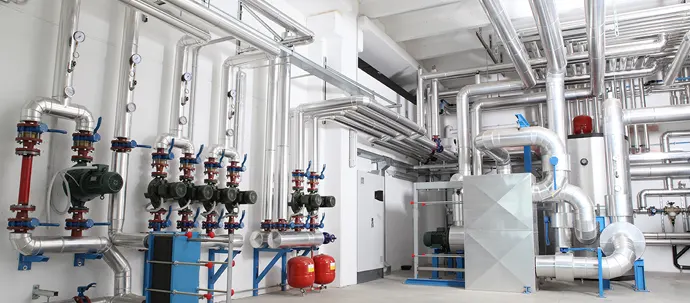
Em aplicações padrão de baixa pressão (até 250 PSI), muitas válvulas borboleta sofrem de infiltração de fluidos da linha, o que corrói o corpo da válvula ou a haste. Além disso, o contato constante entre o disco e a sede ao longo de todo o ciclo de 90 graus geralmente causa fricção excessiva, fazendo com que a sede de elastômero macio se desgaste prematuramente.
As válvulas Bray da Série 30 (wafer) e da Série 31 (lug) resolvem essas vulnerabilidades por meio de um projeto de haste de uma peça de alta resistência e uma sede exclusiva com "lingueta e ranhura". Essa arquitetura cria uma vedação primária e secundária que isola completamente o corpo da válvula e a haste dos fluidos da linha. A fornecer vedação estanque bidirecional e uma ampla variedade de elastômeros compatíveis com fluidos, a Série 30/31 garante vazamento externo zero e custos de manutenção significativamente reduzidos para água municipal, efluentes e HVAC (climatização).
Processos industriais em usinas químicas e de energia geralmente operam em ANSI Classe 600 (1.440 PSI). Nessas pressões, a fricção contínua da sede encontrada em válvulas padrão causa rápida degradação da sede e torque operacional inaceitavelmente alto, forçando intervalos de serviço frequentes e dispendiosos.
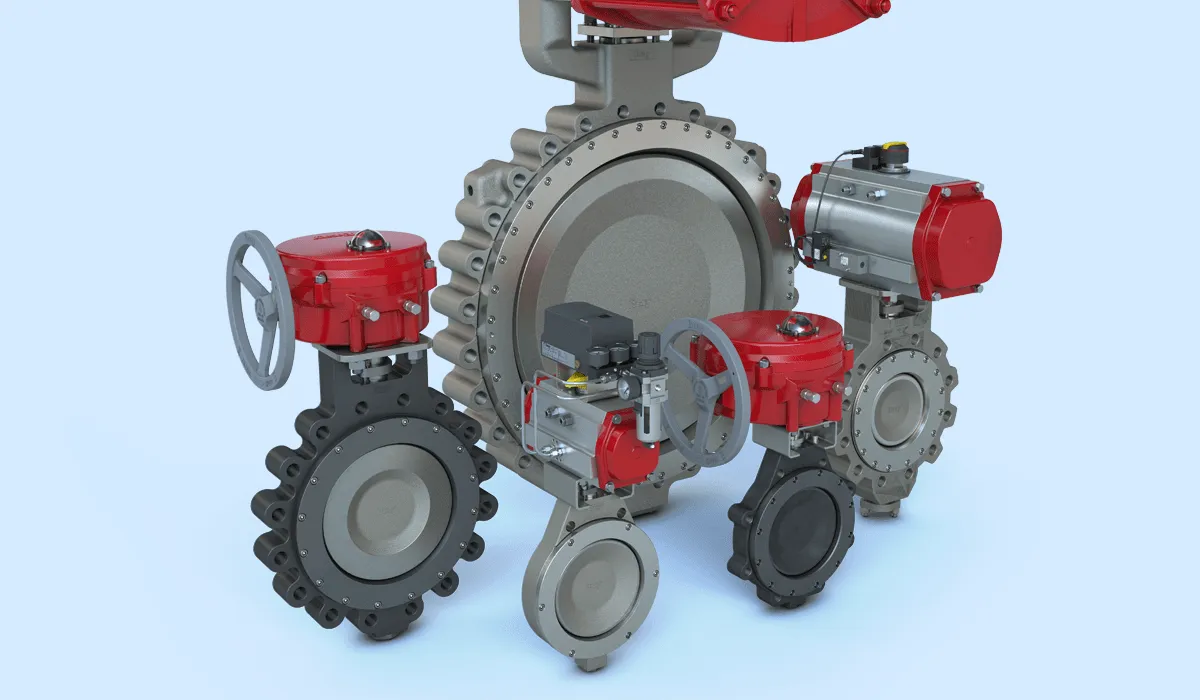
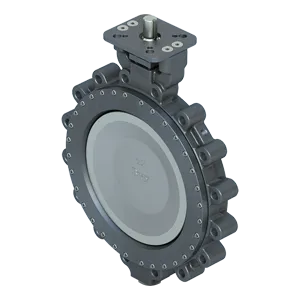
A válvula borboleta de alto desempenho McCannalok da Bray resiste ao desgaste em alta pressão com seu projeto biexcêntrico de haste e disco. Ao deslocar a haste, a McCannalok cria uma ação de "came" que eleva o disco para longe da sede imediatamente ao abrir. Isso limita o contato a apenas os últimos graus de fechamento, reduzindo drasticamente o torque e prolongando a vida útil além de 100.000 ciclos. Com sua vedação bidirecional auxiliada por pressão, a McCannalok é a referência do setor em termos de desempenho confiável de altos ciclos em aplicações químicas corrosivas e de vapor.
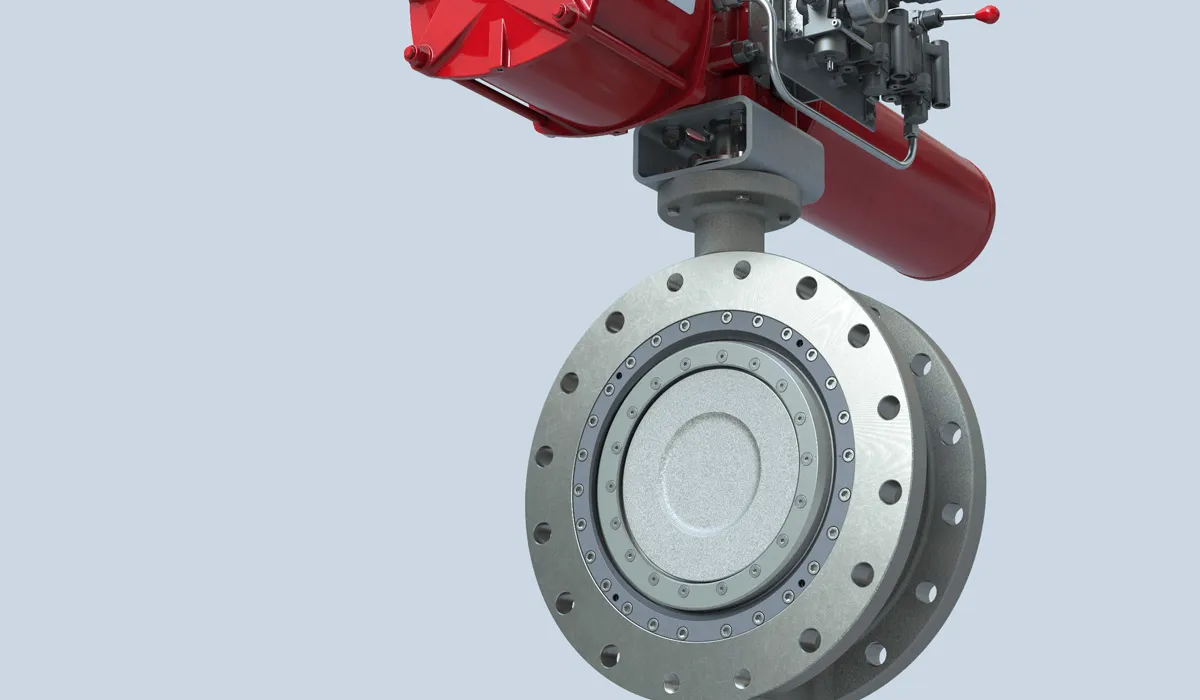
Sistemas críticos, como plataformas de petróleo offshore e refinarias petroquímicas, enfrentam temperaturas que variam de -320 °F a 1.500 °F. Sob essas condições severas, vedações "posicionais" tradicionais podem derreter, deformar ou falhar completamente, causando expulsões catastróficas no sistema e riscos à segurança.
Para ambientes nos quais falhas são inadmissíveis, a válvula triexcêntrica Tri Lok da Bray oferece um sistema de vedação metal-metal sem fricção. Sua avançada geometria elíptica cônica permite que o anel de vedação interaja com a sede sem interferência até o exato momento do fechamento. Diferentemente das válvulas padrão, a Tri Lok tem a sede acoplada, utilizando força mecânica para alcançar vazamento zero absoluto. Projetada para oferecer isolamento crítico, a Tri Lok conta com uma conexão estriada do disco à haste que não é afetada pela expansão térmica, garantindo segurança bidirecional nos serviços de refinaria e criogênicos mais complicados.
Escolher o composto correto da sede é uma etapa obrigatória. Uma incompatibilidade nessa etapa pode causar inchaço prematuro, degradação química ou a falha total da válvula.
EPDM: altamente resistente a compostos polares, como água, vapor, alvejante e soluções alcalinas. No entanto, EPDM é totalmente repelente a hidrocarbonetos e falhará se for usado com óleos à base de petróleo.
BUNA-N (nitrila): um excelente elastômero de uso geral que resiste bem a fluidos à base de petróleo, óleos, combustíveis e graxas. É altamente suscetível ao calor extremo e oferece pouca resistência ao ozônio.
PTFE (Teflon): conhecido por ter uma resistência química excepcional e quase universal, além de propriedades de baixa fricção, tornando-o ideal para processos químicos corrosivos e aplicações sanitárias.
Uma válvula biexcêntrica usa uma haste com dupla excentricidade que cria uma ação de came para reduzir a fricção da sede, mas ainda depende da compressão posicional para a vedação. Uma válvula triexcêntrica adiciona uma geometria de sede cônica inclinada, eliminando completamente a fricção para criar uma vedação metal-metal de sede acoplada capaz de resistir a pressões e temperaturas extremas (até 1.500 °F).
As válvulas borboleta de sede resiliente são a opção ideal e mais econômica para aplicações de pressão mais baixa (abaixo de 250 PSI) em temperatura ambiente lidando com fluidos limpos e não agressivos. Os casos de uso mais comuns incluem suprimento de água municipal, serviços industriais padrão e sistemas de HVAC (climatização).
Embora o EPDM seja excepcionalmente durável ao lidar com calor, água, ácidos e compostos polares, ele não possui compatibilidade química com hidrocarbonetos. Expor uma sede de EPDM a óleos à base de petróleo, diesel ou solventes fará o material se degradar e falhar rapidamente. BUNA-N (nitrila) é o material correto para aplicações envolvendo petróleo.
Válvulas borboleta podem ser um ótimo dispositivo de isolamento ou controle básico para os setores de água e efluentes, HVAC (climatização), processamento químico, petróleo o gás, energia, mineração, data centers e semicondutores, para citar apenas alguns.
Sim, os projetos de válvulas borboleta são, em sua maioria, bidirecionais. Alguns projetos podem ter uma direção ou fluxo preferencial, mas, no geral, elas podem isolar o fluxo em ambas as direções.
Em geral, para fins de isolamento, a válvula deve corresponder ao diâmetro da tubulação na qual está instalada, normalmente com valores em polegadas, milímetros, NPS (diâmetro nominal da tubulação) e DN (diâmetro nominal). Ao selecionar um produto, você deve levar em consideração o Cv do produto para garantir que haja fluxo suficiente pela tubulação e que isso não restringirá o fluxo do seu processo. Para o dimensionamento de uma válvula de controle, use um software de dimensionamento para garantir que o produto ofereça a melhor faixa operacional para as necessidades da sua aplicação.
Os pacotes de válvula de controle da Bray são personalizados para as condições do seu processo para garantir segurança, confiabilidade e desempenho para os produtores que enfrentam demandas de produtividade cada vez maiores. Cada pacote de válvula de controle é totalmente avaliado e o desempenho testado de acordo com IEC 60534-2-1 para dimensionamento, IEC 60534-8-3 e IEC 60534-8-4 para cálculos de ruído antes do envio para garantir que a instalação, inicialização e operação sejam fáceis e sem problemas. Na Bray, temos orgulho de fabricar produtos de qualidade para todas as necessidades da sua indústria. Nosso empenho e dedicação à satisfação do cliente é o que tornou a Bray International um dos fabricantes de válvulas mais inovadores do mundo.
Saiba ainda mais sobre como as soluções da Bray podem impactar seus negócios
Conheça a usina virtual de beterraba sacarina da Bray e descubra as soluções inovadoras para processamento eficiente de açúcar.
Conheça as inovações da beterraba sacarina da Bray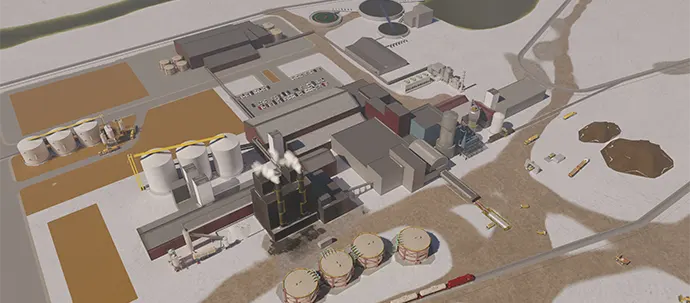
De torres de resfriamento a trocadores de calor de rack, as válvulas da Bray oferecem precisão e confiabilidade em todas as aplicações.
Conheça mais
A Bray fornece válvulas automatizadas para sistemas HVAC (climatização) em hospitais, escritórios, escolas, aeroportos, data centers e muito mais. Ideais para aplicações de isolamento de resfriadores/caldeiras, unidades de tratamento de ar e certificação LEED.
Descubra nossas soluções de HVAC (climatização)
Conheça a nossa usina de cana-de-açúcar virtual para saber mais sobre as soluções inovadoras da Bray para o processamento de açúcar.
Descubra as soluções para cana-de-açúcar da Bray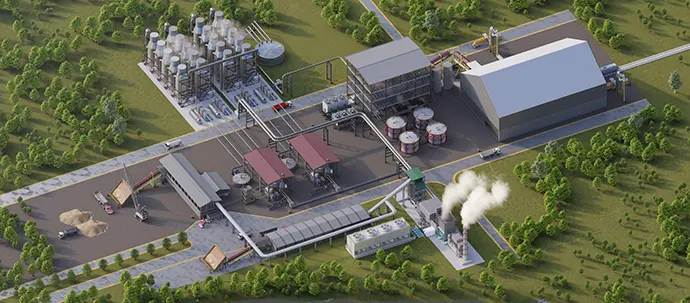


Conecte-se com seu especialista em vendas local