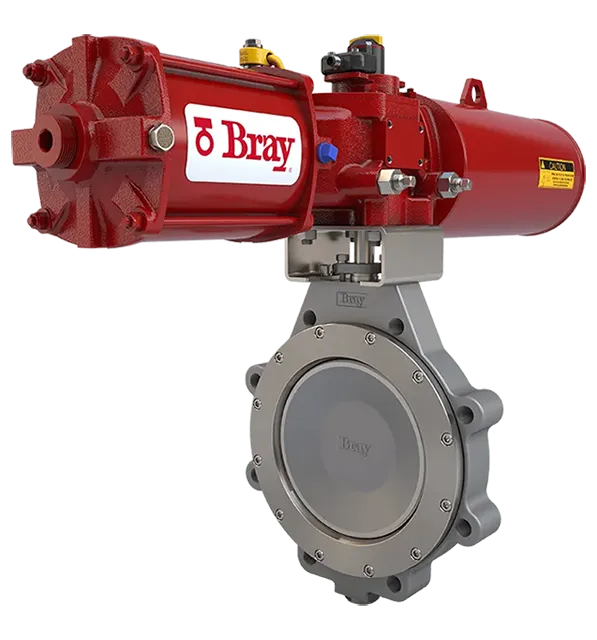
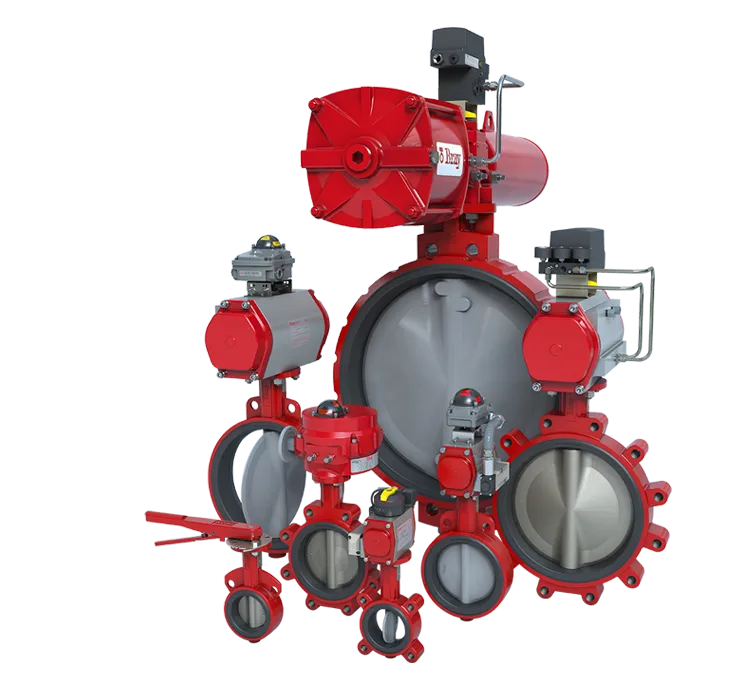
Precision Engineering for Every Pressure Class and Temperature Range

Whether you require the simplicity of a resilient seated design for municipal water or the frictionless torque-seating of a triple-offset valve for high-pressure steam, our lineup covers the full spectrum of flow control. Select your valve based on seat geometry and material compatibility to ensure 100% operational uptime.

2025控制阀2横幅图片

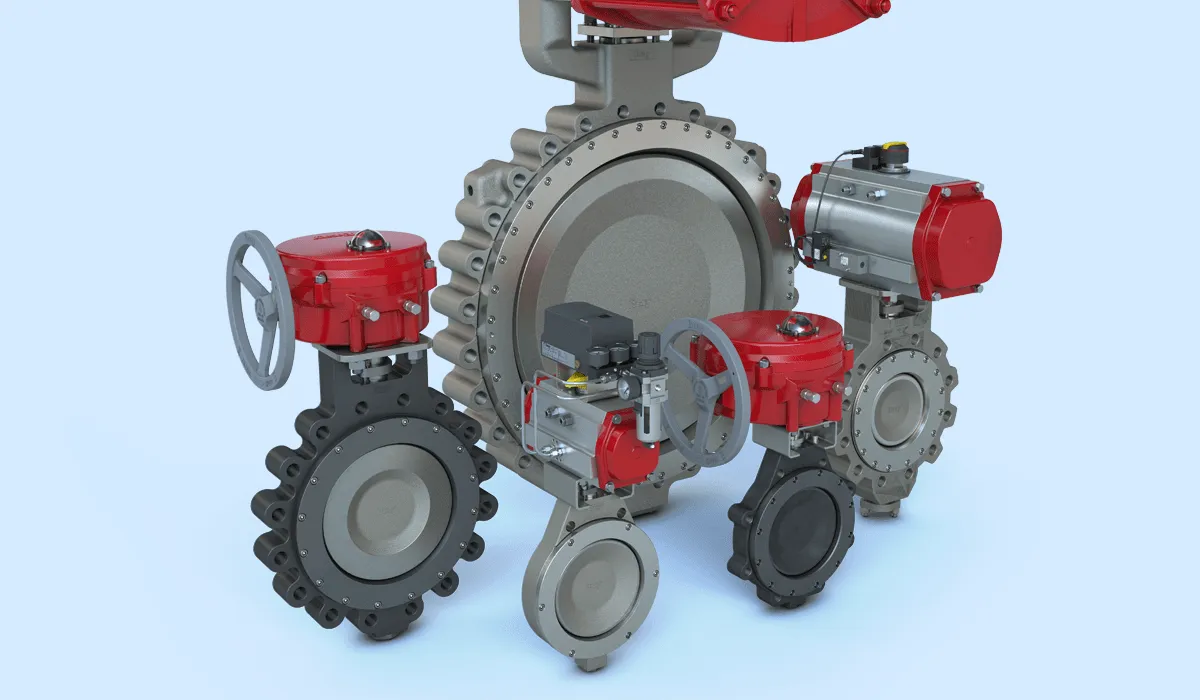
The Ultimate Butterfly Valve Portfolio: Low Pressure to Severe Service

Zero Leakage Guaranteed: Engineered for Extreme Conditions

Our resilient seated valves provide cost-effective, bubble-tight isolation for HVAC and water systems, while our double-offset designs minimize seat wear in high-pressure Class 600 applications. For the most demanding environments, triple-offset metal-seated technology ensures a frictionless, torque-seated seal, supported by application-specific EPDM, BUNA-N, or PTFE materials for maximum service life.

What are the different types of Butterfly Valve Designs?

Butterfly valve designs have several key factors that determine their suitability for applications.  


1. Butterfly Valve Offset Designs

Offsets describe how the shaft and disc are positioned relative to the valve seat and body centerline. The number of offsets directly affects sealing performance, torque, wear, and service conditions.

Concentric (Zero Offset) Butterfly Valves


Most basic and widely used design


Design Description


  • The shaft (stem) is centered on the pipe centerline
  • The disc is concentric with the seat and body
  • The disc remains in continuous contact with the seat during rotation.


Sealing Principle


  • Position-seated
  • Tight shutoff is achieved by compressing the disc into a resilient seat


Key Characteristics


  • Continuous disc-to-seat interference
  • Higher friction during opening and closing
  • Seat wear occurs over time due to rubbing


Typical Applications


  • Water & wastewater
  • 暖通空调
  • Fire protection
  • General utility services


Why Customers Choose It


  • Lowest cost
  • Simple, compact design
  • Excellent for low-pressure, ambient-temperature services.


    Double Offset (High Performance) Butterfly Valves


    Step up in performance and durability


    Design Description


    • First offset: Shaft is offset behind the disc centerline
    • Second offset: Shaft is offset from the pipe centerline
    • Creates a camming action where the disc pulls away from the seat early during opening


    Sealing Principle


    • Position-seated with reduced friction
    • Disc only contacts the seat during the final 5–7% of closure

    Key Characteristics


    • Lower operating torque than concentric designs
    • Reduced seat wear
    • Improved cycle life
    • Can incorporate resilient or metal seats

    Typical Applications


    • 蒸汽
    • Hydrocarbons
    • 化学品
    • Oil & gas utilities
    • Power generation


    Why Customers Choose It


    • Higher pressure and temperature capability
    • Longer service life
    • Bi-directional tight shutoff


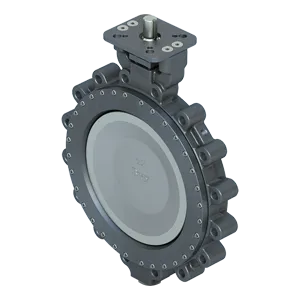
    Triple Offset (Triple Eccentric) Butterfly Valves


    Highest-performance butterfly valve design


    Design Description


    • Includes the same first and second offsets as double offset designs
    • Third offset: A conical, inclined sealing geometry machined into the disc and seat axis
    • Disc and seat engage without rubbing during operation.


    Sealing Principle


    • Torque-seated
    • Tight shutoff occurs through metal-to-metal wedging, not seat compression


    Key Characteristics


    • Zero friction between seat and seal during rotation
    • Extremely low wear
    • Excellent for fire-safe and emergency applications
    • Enables bubble-tight shutoff at very high temperatures


    Typical Applications


    • Severe service oil & gas
    • LNG
    • 炼油
    • Power plants
    • High-pressure, high-temperature, and cycling services


    Why Customers Choose It


    • Longest service life
    • Fire-safe and fugitive-emission capable
    • True alternative to gate, globe, and ball valves


    2. Butterfly Valve Seat Design Types

    The seat material determines chemical compatibility, temperature/pressure limits, leakage class, and lifecycle cost.

    Resilient-Seated Butterfly Valves


    Most common and cost-effective


    阀座材料


    • EPDM
    • NBR
    • Buna-N
    • FKM (Viton®)


    Sealing Characteristics


    • Soft elastomer provides bubble-tight shutoff
    • Excellent for low-cycle and clean services


    限制


    • Temperature limited by elastomer
    • Not suitable for abrasive or high-temperature media


    Typical Applications


    • Water systems
    • 暖通空调
    • Irrigation
    • Fire protection


    Polymer-Seated (PTFE / TFM / Plastic Lined)


    Chemical resistance focus


    Seat & Lining Materials

    • PTFE
    • TFM
    • UHMWPE


    Sealing Characteristics

    • Soft seat with near-universal chemical compatibility
    • Low friction and low torque


    限制

    • Limited pressure and temperature
    • Cold flow under sustained load


    Typical Applications

    • Corrosive chemicals
    • Acid and chlorine service
    • Pharmaceutical and specialty chemicals


    Metal-Seated Butterfly Valves


    Severe service and high temperature


    阀座材料

    • Stainless steel
    • Hard-faced alloys
    • Laminated metal seal rings


    Sealing Characteristics

    • Zero elastomers
    • Designed for extreme temperature and pressure
    • Typically used in double offset and triple offset designs

    限制

    • Higher cost
    • Torque-seated (actuation sizing becomes critical)


    Typical Applications

    • 蒸汽
    • Hydrocarbon processing
    • Fired heaters
    • Power generation
    • Fire-safe installations


    Simple Comparison Table Overview

    Feature Concentric 双偏心 三偏心
    Shaft Offsets 0 2 3
    Sealing Type Position seated Position Seated, Reduced-interference Torque seated
    阀座选项 Resilient Resilient / Metal Metal
    Seat Wear Higher Moderate Minimal
    Temperature Capability Medium–High Very High
    Typical Leakage Bubble-tight Bubble-tight Bubble-tight (metal)
    2025控制阀

    The Challenge

    Premature Failure in Utility and HVAC Systems

    In standard low-pressure applications (up to 250 PSI), many butterfly valves suffer from line media seepage that corrodes the valve body or stem. Furthermore, constant contact between the disc and the seat throughout the 90-degree cycle often leads to excessive friction, causing the soft elastomer seat to wear out prematurely.

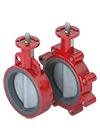
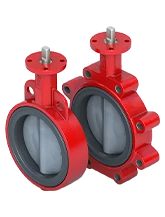
    The Bray Solution: Series 30/31 Total Media Encapsulation

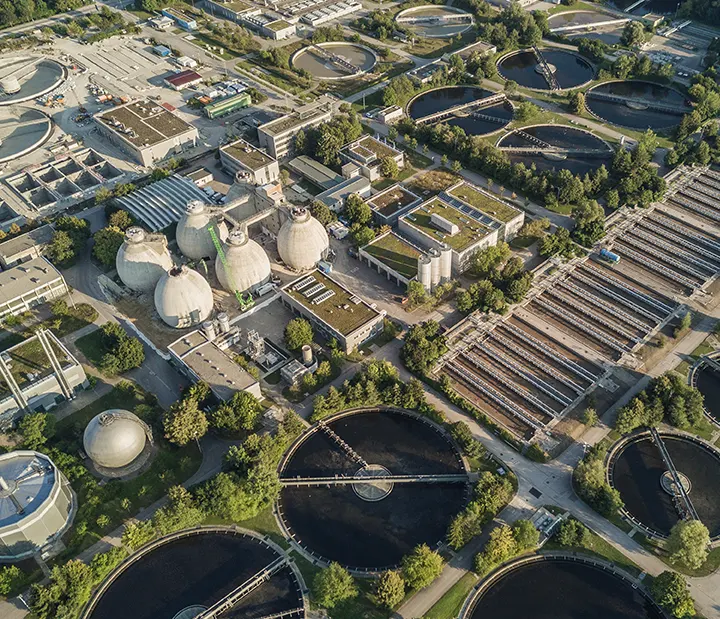
    The Bray Series 30 (Wafer) and Series 31 (Lug) resolve these vulnerabilities through a high-strength, one-piece through-stem design and a unique "tongue-and-groove" seat. This architecture creates a primary and secondary seal that completely isolates the valve body and stem from the line media. By providing bidirectional, bubble-tight shutoff and a wide array of media-compatible elastomers, the Series 30/31 ensures zero external leakage and significantly reduced maintenance costs in municipal water, wastewater, and HVAC utilities.

    High-Performance Solutions: Precision for Industrial Cycles

    Friction-Induced Seat Degradation at High Pressure

    Industrial processes in chemical and power plants often operate at ANSI Class 600 (1,440 PSI). At these pressures, the continuous seat rubbing found in standard valves leads to rapid seal degradation and unacceptably high operating torque, forcing frequent and costly service intervals.

    The Bray Solution: McCannalok® Double Offset Performance

    The Bray McCannalok High-Performance Butterfly Valve overcomes high-pressure wear with its patented dual-eccentric (double offset) stem and disc design. By offsetting the stem, the McCannalok creates a "camming" action that lifts the disc away from the seat immediately upon opening. This limits contact to only the final degrees of closure, drastically reducing torque and extending seat life beyond 100,000 cycles. With its pressure-assisted, bidirectional seal, the McCannalok is the industry benchmark for reliable, high-cycle performance in steam and corrosive chemical applications.

    2025 V型口控制阀
    2025分段式控制阀

    Severe Service Solutions: Safety in Extreme Environments

    Seal Deformation Under Thermal and Pressure Extremes

    Mission-critical systems—such as offshore oil platforms and petrochemical refineries—face temperatures ranging from -320°F to 1,500°F. Under these severe conditions, traditional "positional" seals can melt, deform, or fail entirely, leading to catastrophic system blowouts and safety risks.

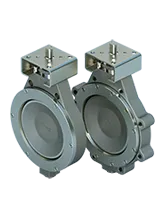
    The Bray Solution: Tri Lok® Triple Offset Torque-Seated Technology

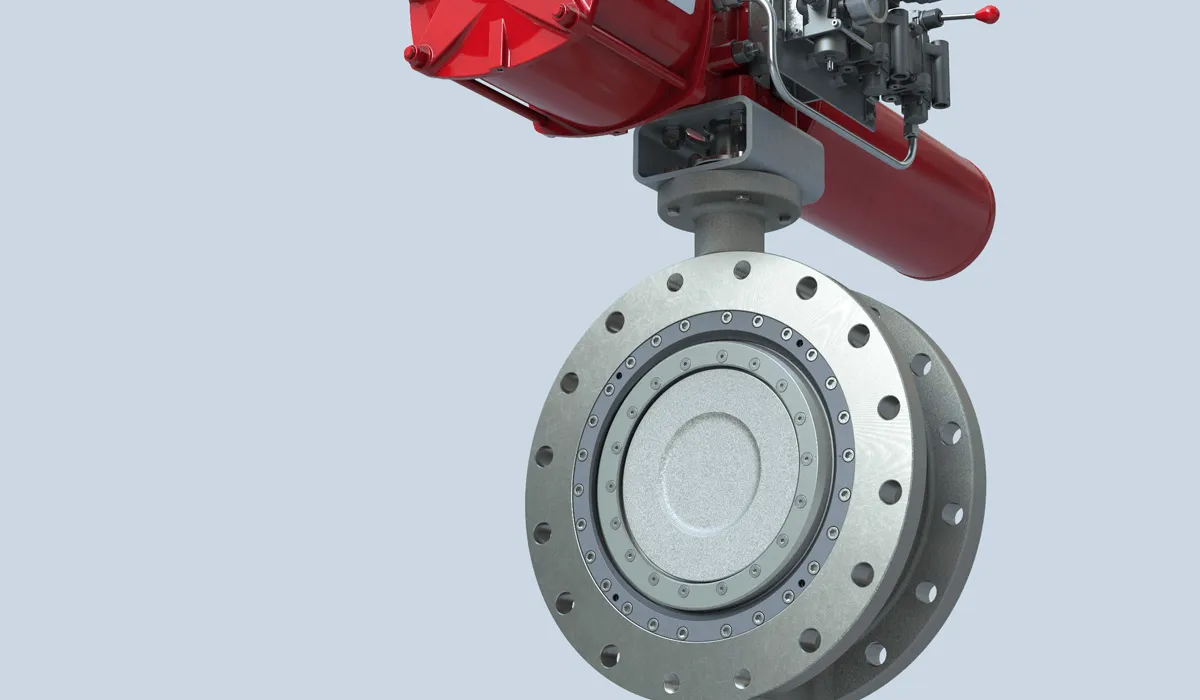
    For environments where failure is not an option, the Bray Tri Lok Triple Offset Valve provides a frictionless, metal-to-metal sealing system. Its advanced conical ellipse geometry allows the seal ring to engage the seat without interference until the exact moment of closure. Unlike standard valves, the Tri Lok is "torque-seated," utilizing mechanical force to achieve absolute zero leakage. Designed for critical isolation, the Tri Lok features a splined disc-to-stem connection that remains unaffected by thermal expansion, ensuring bi-directional safety in the most unforgiving refining and cryogenic services.

    The Science of Seat Material Selection

    Choosing the correct seat compound is a mandatory step. A mismatch here leads to premature swelling, chemical degradation, or complete valve failure.

    EPDM: Highly resistant to polar compounds such as water, steam, bleach, and alkaline solutions. However, EPDM is entirely repellant to hydrocarbons and will fail if used with petroleum-based oils.


    BUNA-N (Nitrile): An excellent general-purpose elastomer that heavily resists petroleum-based fluids, oils, fuels, and greases. It is highly vulnerable to extreme heat and provides little resistance to ozone.


    PTFE (Teflon): Known for exceptional, near-universal chemical resistance and low-friction properties, making it ideal for corrosive chemical processes and sanitary applications

    FAQ's

    • What is the difference between double offset and triple offset butterfly valves?

      A double-offset valve uses a dual-eccentric stem design that creates a camming action to reduce seat friction, but it still relies on positional compression for sealing. A triple-offset valve adds an inclined conical seating geometry, completely eliminating friction to create a torque-seated, metal-to-metal seal capable of withstanding extreme temperatures (up to 1,500°F) and pressures.

    • When should I use a resilient-seated butterfly valve?

      Resilient seated butterfly valves are the most cost-effective and optimal choice for lower-pressure (under 250 PSI), ambient-temperature applications handling clean, non-aggressive media. Common use cases include municipal water supply, standard industrial utilities, and HVAC systems.

    • Why do I use EPDM seats not work for oil based applications?

      While EPDM is exceptionally durable against heat, water, acids and polar compounds, it lacks chemical compatibility with hydrocarbons. Exposing an EPDM seat to petroleum-based oils, diesel, or solvents will cause the material to rapidly degrade and fail. BUNA-N (Nitrile) is the correct seat material for petroleum applications.

    • What are common Applications for butterfly valves?

      Butterfly valves can be a great isolation or basic control device for Water & Wastewater, HVAC, Chemical Processing, Oil & Gass, Power, Mining, Data Centers and the Semiconductor industry just to name a few.

    • Are Butterfly Valves Bidirectional?

      Yes, most butterfly valve designs are bidirectional. There can be a preferred direction of flow for some designs but in general they can isolate flow from either direction.

    • How do I select the size of my butterfly valve.

      In general for Isolation purposes the valve should match the diameter of the pipe it is installed in often referred to in inches, millimeters, NPS (net piping size) and DN (Diameter nominal). When selecting a product you should consider the Cv of the product to ensure there is enough flow through the pipeline and that it will not restrict your process flow. For sizing of a control valve use a sizing software to ensure the product offers the best range for your application needs.

    久经验证,值得信赖

    得到全球数千家公司认可

    博雷控制阀组件根据客户的工艺条件进行定制,以确保为面临不断增长的生产率要求的生产商提供安全性、可靠性和高性能。在发货之前,每个控制阀组件都经过全面评估,并根据IEC 60534-2-1选型标准、IEC 60534-8-3和IEC 60534-8-4噪声计算标准进行性能测试,从而确保简易、无故障的安装、启动与操作。博雷为能够制造优质产品以满足您的所有行业需求而自豪,我们对客户满意度的不懈追求令博雷国际成为世界上最具创新精神的阀门制造商之一。
    2025认证

    产品系列

    先进的控制阀解决方案

    探索我们为应对您的行业挑战而打造的一系列产品

    联系我们

    索取报价