El diseño de las válvulas mariposa presenta varios factores clave que determinan su idoneidad para determinadas aplicaciones.

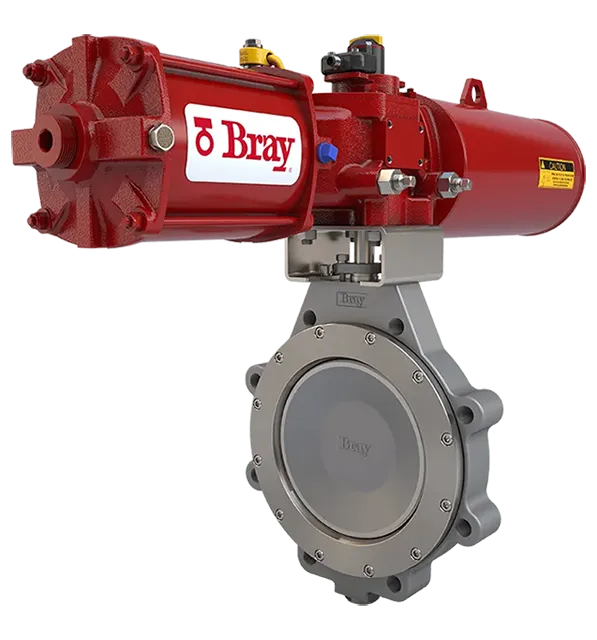
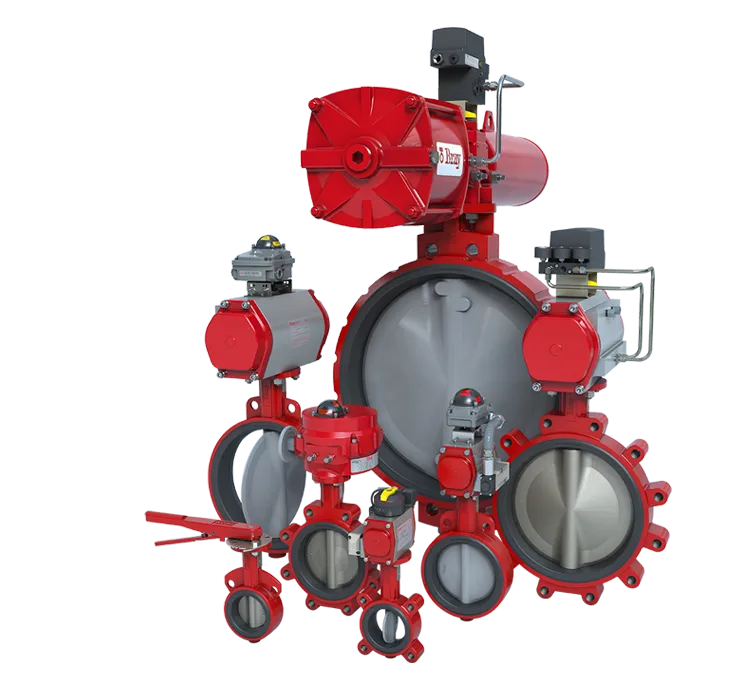
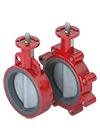
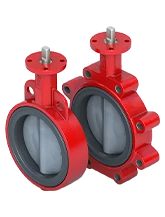
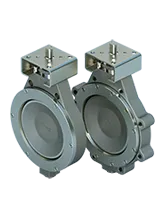
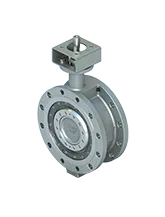
El diseño de las válvulas mariposa presenta varios factores clave que determinan su idoneidad para determinadas aplicaciones.
Las excentricidades describen cómo se sitúan el vástago y el disco con respecto al asiento de la válvula y a la línea central del cuerpo. El número de excentricidades influye directamente en el rendimiento del sellado, el par, el desgaste y las condiciones de funcionamiento.
Válvulas Mariposa Concéntricas (Cero Excentricidad)
✅ El diseño más básico y más usado
Principio de Sellado
Características Clave
Aplicaciones Típicas
Por Qué la Eligen los Clientes
Válvulas Mariposa de Doble Excentricidad (Alto Rendimiento)
✅ Mejora en rendimiento y durabilidad
Descripción del Diseño
Principio de Sellado
Características Clave
Aplicaciones Típicas
Por Qué la Eligen los Clientes
Válvulas Mariposa de Triple Excentricidad (Triple Excéntrica)
✅ Diseño de válvula mariposa más avanzado
Descripción del Diseño
Principio de Sellado
Características Clave
Aplicaciones Típicas
Por Qué la Eligen los Clientes
Válvulas Mariposa con Asiento Resiliente
✅ Las más comunes y rentables
Materiales del asiento
Características de Sellado
Limitaciones
Aplicaciones Típicas
Con asiento de polímero (con revestimiento PTFE / TFM / plástico)
✅ Enfoque en la resistencia química
Materiales de los Asientos y los Revestimientos
Características de Sellado
Limitaciones
Aplicaciones Típicas
Válvulas Mariposa con Asiento Metálico
✅ Servicio severo y altas temperaturas
Materiales del asiento
Características de Sellado
Limitaciones
Aplicaciones Típicas
| Característica | Concéntrica | Doble Excentricidad | Triple excentricidad |
|---|---|---|---|
| Excentricidad del Eje | 0 | 2 | 3 |
| Tipo de Sello | Postura de asentamiento | Postura de Asentamiento, Interferencia Reducida | Torque de asentamiento |
| Opciones de asiento | Resiliente | Resiliente / Metal | Metal |
| Desgaste del Asiento | Mayor | Moderado | Mínimo |
| Rango de Temperaturas | Baja | Media-alta | Muy alta |
| Fuga Típica | Cierre hermético | Cierre hermético | Cierre hermético (metal) |
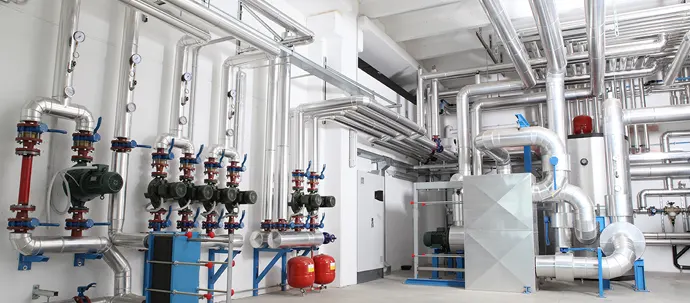
En aplicaciones estándar de baja presión (hasta 250 PSI), muchas válvulas mariposa sufren fugas del fluido de la tubería que corroen el cuerpo o el vástago de la válvula. Además, el contacto constante entre el disco y el asiento a lo largo del ciclo de 90 grados suele provocar una fricción excesiva, lo que hace que el asiento elastomérico blando se desgaste prematuramente.
Las series Bray 30 (Wafer) y 31 (Lug) resuelven estas vulnerabilidades gracias a un diseño del eje pasante de una sola pieza de alta resistencia y a un asiento exclusivo de "lengüeta y ranura". Esta arquitectura crea un sello primario y otro secundario que aíslan por completo el cuerpo y el vástago de la válvula del fluido de la tubería. Gracias a su cierre hermético bidireccional y a una amplia gama de elastómeros compatibles con diversos fluidos, la serie 30/31 garantiza la ausencia total de fugas externas y una reducción significativa de los costos de mantenimiento en las redes municipales de agua, aguas residuales y sistemas HVAC.
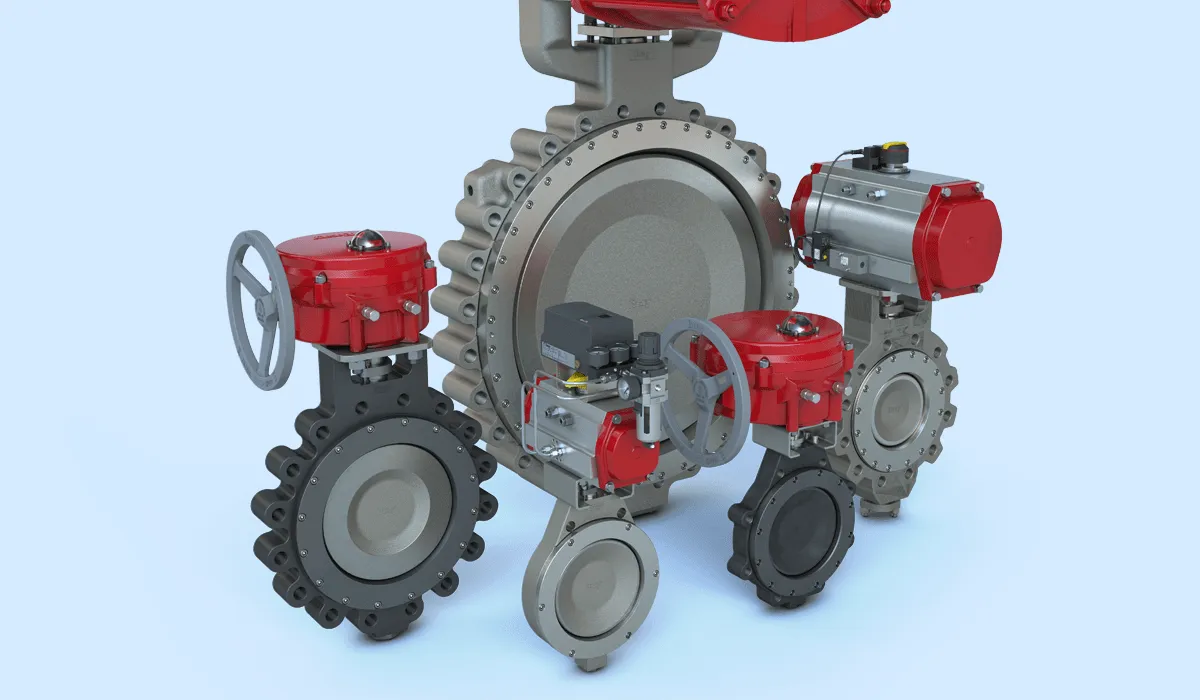
Los procesos industriales en plantas químicas y centrales eléctricas suelen funcionar a según la clase ANSI 600 (1,440 PSI). A estas presiones, el rozamiento continuo en el asiento que se produce en las válvulas estándar provoca un rápido deterioro del sello y un par de funcionamiento inaceptablemente elevado, lo que obliga a realizar intervalos de mantenimiento frecuentes y costosos.
La Válvula Mariposa de Alto Rendimiento Bray McCannalok hace frente al desgaste provocado por la alta presión gracias a su diseño patentado de vástago y disco de doble excentricidad. Al desplazar el eje, la McCannalok genera un efecto de "leva" que aleja el disco del asiento inmediatamente tras la apertura. Esto limita el contacto únicamente a los últimos grados de cierre, lo que reduce drásticamente el par y prolonga la vida útil del asiento más allá de 100,000 ciclos. Gracias a su sello bidireccional asistido por presión, la McCannalok es el referente del sector en cuanto a fiabilidad y rendimiento en alto ciclaje en aplicaciones con vapor y productos químicos corrosivos.
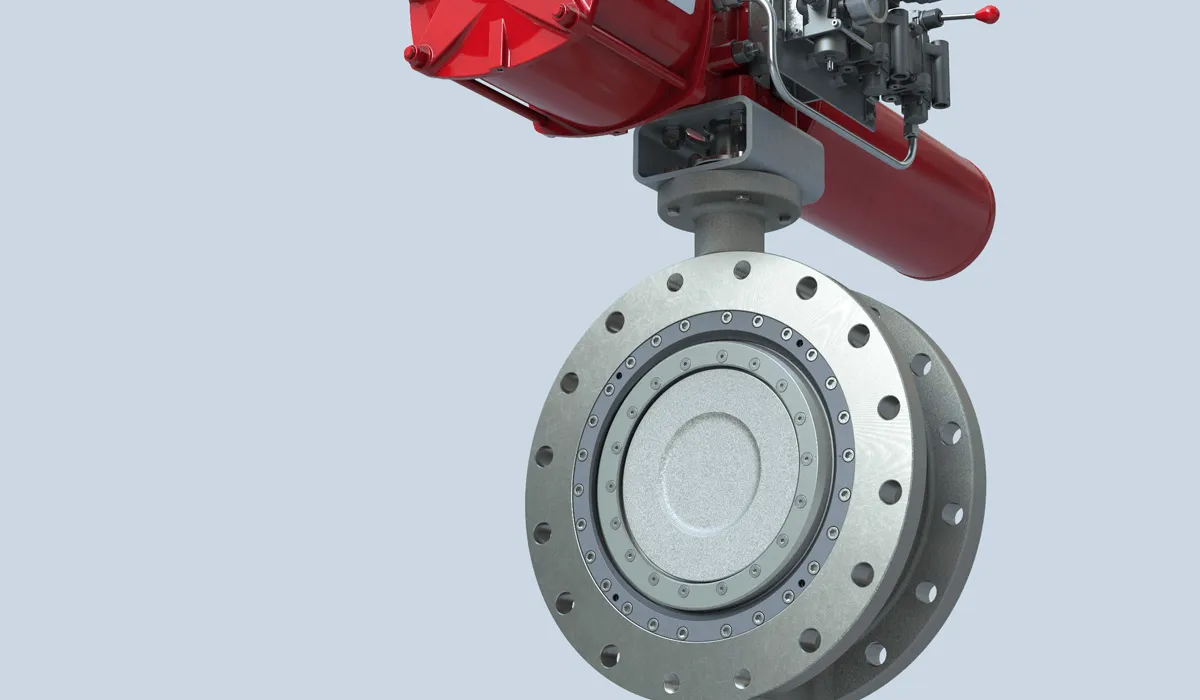
Los sistemas de misión crítica —como las plataformas petrolíferas marinas y las refinerías petroquímicas— se enfrentan a temperaturas que oscilan entre los -320 °F y los 1,500 °F. En estas condiciones extremas, los sellos "posicionales" tradicionales pueden fundirse, deformarse o presentar fallos por completo, lo que puede provocar explosiones catastróficas del sistema y riesgos para la seguridad.
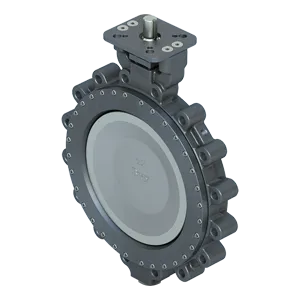
Para entornos en los que los fallos no son una opción, la Válvula Triple Excéntrica Bray Tri Lok ofrece un sistema de sello metal-metal sin fricción. Su avanzada geometría elíptica cónica permite que el anillo de retención se acople al asiento sin interferencias hasta el momento exacto del cierre. A diferencia de las válvulas estándar, Tri Lok cuenta con un "torque de asentamiento" que utiliza la fuerza mecánica para lograr cero fugas. Diseñada para un aislamiento crítico, Tri Lok cuenta con una conexión estriada entre el disco y el eje que no se ve afectada por la dilatación térmica, lo que garantiza la seguridad bidireccional en las aplicaciones de refinería y servicios criogénicos más exigentes.
Elegir el compuesto adecuado para el asiento es un paso imprescindible. Si no se ajusta correctamente, esto provoca una hinchazón prematura, la degradación química o el fallo total de la válvula.
EPDM: altamente resistente a compuestos polares como el agua, el vapor, la lejía y las soluciones alcalinas. Sin embargo, el EPDM es incompatible con los hidrocarburos y perderá su efectividad si se utiliza con aceites derivados del petróleo.
BUNA-N (nitrilo): un excelente elastómero de uso general que ofrece una gran resistencia a los fluidos derivados del petróleo, los aceites, los combustibles y las grasas. Es muy sensible al calor extremo y ofrece poca resistencia al ozono.
PTFE (teflón): conocido por su excepcional resistencia química, prácticamente universal, y por sus propiedades de baja fricción, lo que lo convierte en un material ideal para procesos químicos corrosivos y aplicaciones sanitarias.
Una válvula de doble excentricidad utiliza un diseño de eje con doble excentricidad que genera un efecto de leva para reducir la fricción en el asiento, pero sigue dependiendo de la compresión posicional para lograr el sellado. Una válvula triple excéntrica incorpora una geometría de asiento cónica inclinada, lo que elimina por completo la fricción y crea un sello metal-metal por torque de asentamiento, capaz de soportar temperaturas (hasta 1,500 °F) y presiones extremas.
Las válvulas mariposa con asiento resiliente son la opción más rentable y óptima para aplicaciones a baja presión (por debajo de 250 PSI) y a temperatura ambiente, con manipulación de fluidos limpios y no agresivos. Entre los casos de uso más habituales se encuentran el suministro municipal de agua, los servicios industriales estándar y los sistemas HVAC.
Aunque el EPDM es excepcionalmente resistente al calor, al agua, a los ácidos y a los compuestos polares, no es químicamente compatible con los hidrocarburos. La exposición de un asiento de EPDM a aceites derivados del petróleo, diésel o disolventes provocará que el material se degrade rápidamente y deje de funcionar. El BUNA-N (nitrilo) es el material adecuado para los asientos en aplicaciones relacionadas con el petróleo.
Las válvulas mariposa pueden ser un excelente dispositivo de aislamiento o de control básico para los sectores del agua y aguas residuales, sistemas HVAC, el procesamiento de productos químicos, el petróleo y el gas, la energía, la minería, los centros de datos y la industria de los semiconductores, por citar solo algunos.
Sí, la mayoría de los diseños de válvulas mariposa son bidireccionales. En algunos diseños puede haber una dirección de flujo preferida, pero, en general, pueden aislar el flujo procedente de cualquiera de las dos direcciones.
En general, a efectos de aislamiento, la válvula debe tener el mismo diámetro que la tubería en la que se instalará, que suele expresarse en pulgadas, milímetros, NPS (tamaño neto de tubería) y DN (diámetro nominal). A la hora de seleccionar un producto, se debe tener en cuenta su Cv para asegurarse de que el flujo a través de la tubería sea suficiente y de que no limite el flujo del proceso. Para dimensionar una válvula de control, utilice un programa de dimensionamiento para asegurarse de que el producto ofrezca el mejor rango para las necesidades de su aplicación.
Los paquetes de válvulas de control de Bray se adaptan a las condiciones de su proceso para garantizar la seguridad, la confiabilidad y el rendimiento para los productores que enfrentan demandas de productividad cada vez mayores. Cada paquete de válvula de control se evalúa completamente y el rendimiento se prueba según IEC 60534-2-1 para dimensionamiento, IEC 60534-8-3 e IEC 60534-8-4 para cálculos de ruido antes del envío para garantizar una instalación, puesta en marcha y operación fáciles y sin problemas. En Bray, nos enorgullecemos de elaborar productos de calidad para todas las necesidades de su industria, nuestro impulso y dedicación a la satisfacción del cliente es lo que ha hecho de Bray International uno de los fabricantes de válvulas más innovadores del mundo.
Conozca aún más sobre cómo las soluciones de Bray pueden tener un impacto en su empresa
Descubra la planta virtual de azúcar de remolacha de Bray y explore las soluciones innovadoras para el procesamiento eficiente del azúcar.
Conozca las innovaciones en azúcar de remolacha de Bray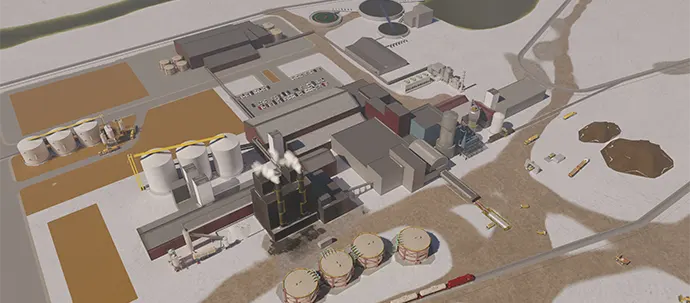
En todas las aplicaciones, desde torres de enfriamiento hasta intercambiadores de calor en bastidores, las válvulas de Bray ofrecen precisión y confiabilidad.
Explore más
Bray proporciona válvulas automatizadas para sistemas de HVAC en hospitales, oficinas, escuelas, aeropuertos, centros de datos y más. Perfectas para aplicaciones de aislamiento de enfriadores/calderas, controladores de aire y certificación LEED.
Descubra nuestras soluciones de HVAC
Conozca nuestra Planta Virtual de Caña de Azúcar para conocer más acerca de las soluciones innovadoras de Bray para el procesamiento de azúcar.
Descubra las soluciones para cañas de azúcar de Bray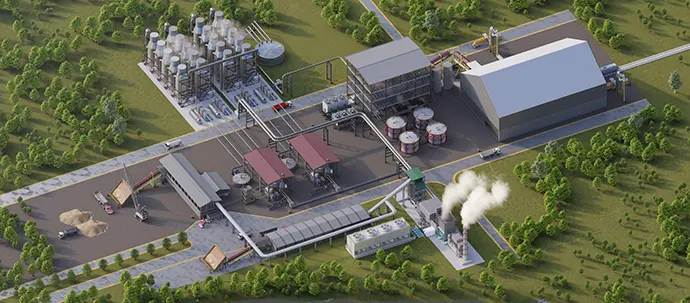


Contacte a su experto en ventas local